
Choosing a new platform always starts with one question. How much will it cost? This guide breaks down backtofrontshow pricing in plain, simple language. You will learn what each plan offers. You will also learn how to pick the right one for your budget.
What Is BackToFrontShow?
BackToFrontShow is an online platform built for creators and businesses. It combines training content with performance analytics. Some users join for the coaching library. Others join for the audience and engagement data. Either way, the platform adjusts its plans to match different goals.
The service does not follow a single flat-rate model. Instead, it offers layered plans. Each layer unlocks more features, more support, and more data access. This structure lets beginners start small. It also lets larger teams scale up when they need more power.
Why People Search for BackToFrontShow Pricing
Every buyer wants clarity before spending money. Searching for backtofrontshow pricing usually means one thing. People want a straight answer without marketing fluff. They want real numbers, not vague promises. This search often comes from two types of visitors. Some are curious beginners exploring the platform for the first time. Others are experienced users comparing renewal costs against competitors. Both groups deserve a clear, honest breakdown of the numbers. Search intent also shapes what information matters most. A beginner cares about entry costs and free trials. A business buyer cares about scalability and long-term value. This guide addresses both groups directly.
Why Pricing Matters Before You Buy
Cost alone never tells the full story. A cheap plan might lack the features you actually need. An expensive plan might include tools you will never use. Smart buyers always weigh price against real value. Before you commit, ask yourself a few questions. What features do you need today? Will your needs grow within a year? Do you require live support or self-service tools? Answering these questions makes any purchase decision easier. It also helps you avoid overpaying for unused extras.
Plans and Tiers Explained
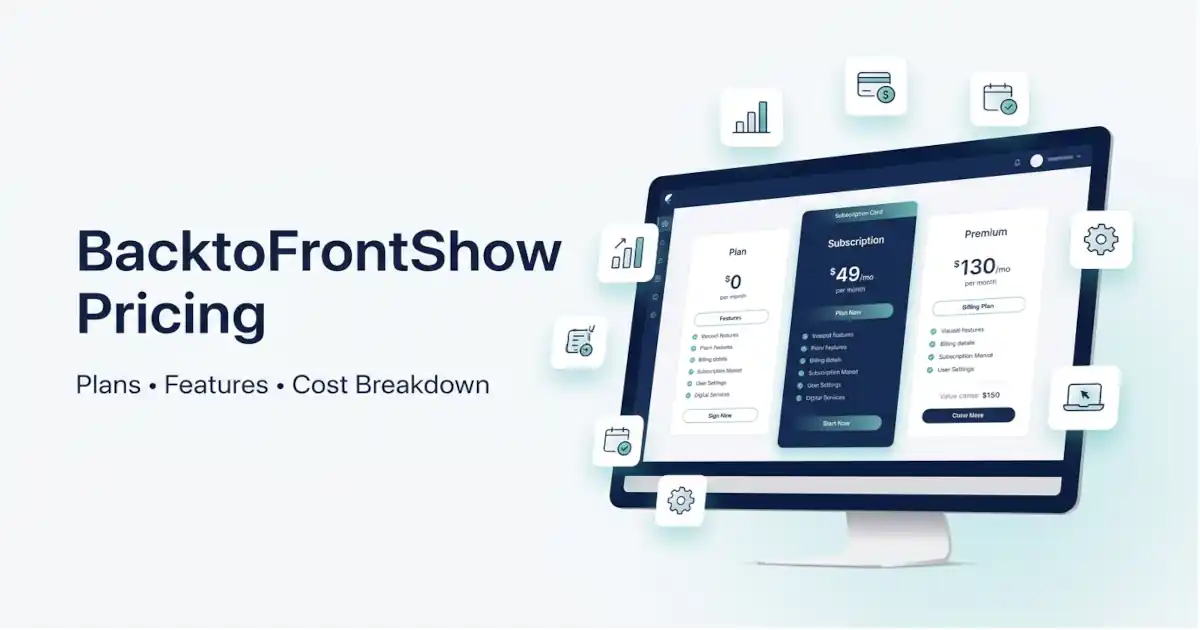
Most platforms in this space use three or four tiers. BackToFrontShow follows a similar pattern. Each tier targets a different type of user.
Entry-Level or Free Access
Many users start with a free or low-cost tier. This level usually includes basic content access. It works well for testing the platform first. You get a feel for the interface and tools. You do not risk much money upfront. Free tiers often limit certain features. Support may be slower or email-only. Advanced analytics usually stay locked behind paid plans. Still, this option suits cautious first-time users well.
Mid-Tier Plans
The middle tier adds real value for growing users. It typically unlocks fuller content libraries. It may include live sessions or group coaching. Email support often becomes faster and more personal. This tier suits solo creators and small teams. It balances cost against genuine feature access. Many users find this level offers the best overall value. It avoids the high cost of top-tier plans. It still delivers meaningful tools and support.
Premium and Enterprise Plans
The top tier targets serious businesses and larger teams. It includes advanced analytics and deeper data insights. Dedicated account support often comes standard here. Custom integrations may also become available. Enterprise pricing is rarely listed publicly. Companies usually contact sales for a custom quote. This approach lets the provider tailor pricing to team size. It also accounts for specific feature requirements. Large media teams often choose this route for scalability.
Factors That Influence the Cost
Several elements shape the final price you pay. Understanding these factors helps you predict future costs.
- Feature access – More tools and data mean higher prices.
- User count – Team plans often scale with the number of seats.
- Data usage – Heavy analytics use can raise monthly costs.
- Support level – Priority support usually costs more than standard help.
- Billing frequency – Annual billing often saves money over monthly billing.
These factors combine to create the final number on your invoice. Two users on the same tier may pay different amounts. Their usage patterns simply differ.
Hidden Fees to Watch For
Sticker prices rarely tell the whole story. Some platforms add extra charges at checkout. These can include processing fees or regional taxes. Others charge separately for add-on features. Always read the full pricing breakdown before confirming payment. Look for mentions of setup fees or onboarding costs. Check whether support is included or billed separately. This step prevents unpleasant surprises on your first invoice. Annual plans sometimes include discounts that monthly plans skip. However, they may also include stricter cancellation terms. Always compare the total annual cost against monthly billing. Do this math before you commit to a full year.
How It Compares to Competitors
Competitors in this space vary widely in cost and focus. Some offer cheaper entry points but weaker analytics tools. Others charge premium rates for enterprise-grade performance features. BackToFrontShow tends to sit in the middle range. This positioning suits businesses that value performance over rock-bottom pricing. It offers stronger real-time data than many budget tools. It also avoids the extreme costs of top-shelf enterprise platforms. For many growing teams, this balance feels appropriate. Compare shortlisted platforms feature by feature. Do not compare price tags alone. A slightly higher monthly fee might save money long term. It could reduce the need for extra third-party tools.
Tips to Get the Best Value
A few smart habits help you get more from any subscription.
- Start with a lower tier and upgrade only when needed.
- Watch for seasonal discounts or limited-time offers.
- Choose annual billing once you confirm long-term commitment.
- Cancel unused add-ons regularly to control monthly costs.
- Read user reviews before jumping to a premium plan.
These habits apply to almost any subscription service. They help you avoid wasted spending. They also keep your budget flexible as your needs change.
Refund and Cancellation Policy
Refund policies differ depending on the plan type. Some platforms offer a short trial refund window. Others allow cancellation at any time without penalty. Annual plans sometimes include prorated refunds for early cancellation. Always check the cancellation terms before subscribing. Look specifically for language about partial refunds. Confirm whether cancellation takes effect immediately or at term end. This clarity protects you if your needs change later.
Who Should Choose Which Plan?
Solo creators just starting out should try the entry-level option first. It carries low risk and reasonable features. Growing creators or small teams often benefit most from mid-tier plans. The added coaching and support justify the higher cost. Larger businesses and media teams should consider premium plans. Custom analytics and dedicated support matter more at scale. These teams also benefit from negotiating enterprise contracts directly. Custom pricing often reflects real usage needs more accurately.
Freelancers with tight budgets should track their usage closely. They can avoid overpaying by reviewing monthly reports. Marketing agencies managing several clients often need higher tiers. Their volume of data usually demands broader access rights. Nonprofit organizations sometimes qualify for special discounted rates. It helps to ask support teams about available programs. Educational users may also find reduced pricing on request. Always inquire directly, since public pages rarely list these options.
Making Sense of the Cost
Understanding backtofrontshow pricing requires looking beyond the number on the page. Consider your actual needs first. Match those needs against each tier’s real features. This approach leads to smarter, more confident purchase decisions. Pricing pages change over time as platforms evolve. Always confirm current numbers on the official website before buying. Rates can shift due to demand or new feature releases. A quick check saves you from outdated information. Bookmark the official pricing page for future reference. Revisit it every few months if you rely on the service heavily. Platforms often introduce new tiers or retire old ones. Staying informed keeps your budget accurate and your plan relevant.
Common Mistakes to Avoid
Many buyers rush into a plan without comparing alternatives first. This often leads to overpaying for unused features. Take time to list your actual requirements before subscribing. Match those requirements against each tier’s real offerings. Another common mistake involves ignoring renewal dates. Auto-renewal can catch users off guard each year. Set a calendar reminder before any annual plan renews. This small step prevents unwanted charges on your card. Some users also skip reading the fine print entirely. Terms around refunds, cancellations, and add-ons matter greatly. A few extra minutes of reading can save real money later.
Final Thoughts
Backtofrontshow pricing offers something for nearly every budget. Free and entry-level options work well for cautious beginners. Mid-tier plans suit creators ready to invest in growth. Premium and enterprise tiers serve larger teams with bigger needs. The smartest approach starts small and scales gradually. Test the platform before committing to higher tiers. Track your usage and adjust your plan accordingly. This strategy keeps costs aligned with actual value received. Before making any final decision, revisit the official pricing page. Confirm the latest backtofrontshow pricing details directly from the source. Compare those numbers against your specific goals and budget. A little research now prevents costly mistakes later.
READ ALSO: Best Guiso de Lentejas Near Me: A Complete Guide
[…] READ ALSO: Understanding BackToFrontShow Pricing: A Complete Guide […]