
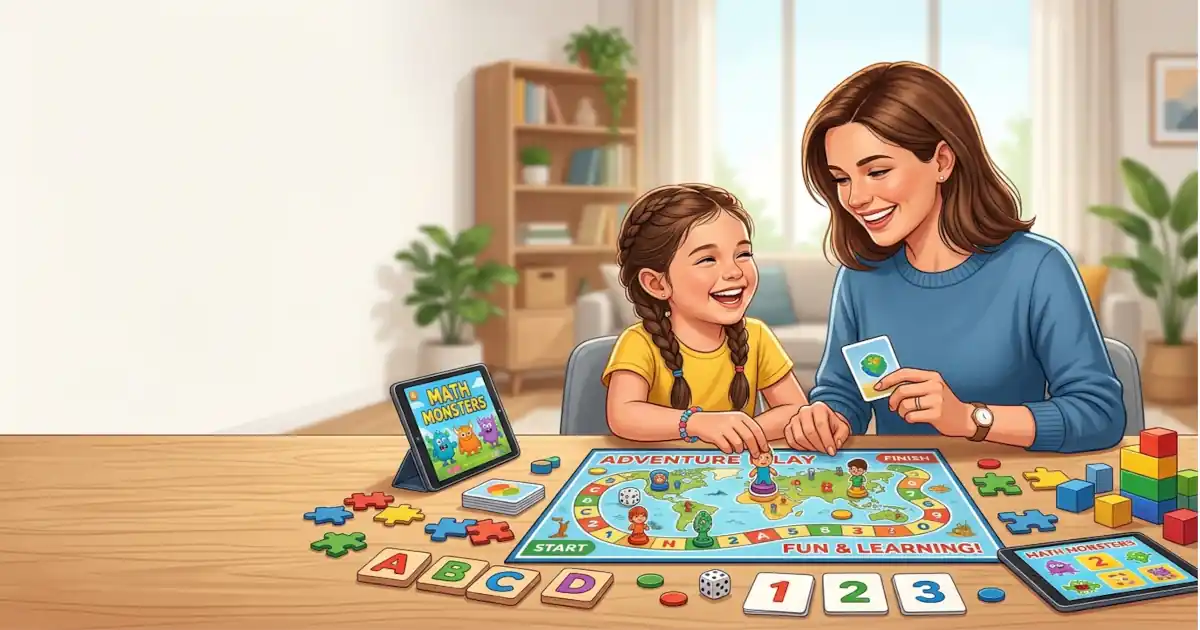
Children learn best when they enjoy the process. Games turn boring lessons into exciting adventures. Parents often search for learning with games fparentips to make education fun. This guide explains why games work. It also shares practical tips for busy parents.
Why Play Matters For Child Development
Play is not just entertainment. It builds real cognitive skills. Kids develop memory, focus, and problem-solving through games. Every game teaches a lesson without feeling like school. Researchers agree that play shapes the brain early. Young children absorb information faster during play. They stay curious and engaged for longer periods. This curiosity fuels deeper learning over time. Games also reduce stress around studying. Kids relax when learning feels like fun. They stop fearing mistakes and start experimenting freely. This mindset builds confidence in every subject.
The Science Behind Game-Based Learning
Experts support playful education methods for good reason. Games activate multiple brain regions at once. This multi-sensory approach improves retention significantly. Children remember lessons taught through play far longer. Dopamine plays a big role here. Winning a game releases feel-good chemicals. This reward system motivates kids to keep trying. They associate learning with positive emotions instead of pressure. Games also encourage active participation. Passive listening rarely builds strong understanding. Active play forces kids to think critically. They test ideas and adjust strategies quickly.
Key Benefits Of Game-Based Learning
Builds Critical Thinking Skills
Strategy games require planning ahead. Kids must weigh options before acting. This process sharpens decision-making abilities naturally. Chess and puzzle games work especially well here.
Improves Social And Emotional Skills
Multiplayer games teach cooperation and patience. Children learn to share turns fairly. They also handle losing with better grace. These lessons transfer directly into real life.
Strengthens Academic Concepts
Math games make numbers less intimidating. Word games boost vocabulary and spelling skills. Science kits turn abstract concepts into hands-on experiments. Every subject benefits from playful reinforcement.
Encourages Independent Learning
Games let kids explore at their own pace. They can repeat levels until they master a skill. This repetition builds mastery without adult pressure. Independence grows naturally through this process.
Types Of Games That Support Learning
Board Games
Board games teach patience and turn-taking. Classics like Scrabble build vocabulary skills. Monopoly introduces basic money management concepts. These games also strengthen family bonding time.
Digital And Educational Apps
Apps offer instant feedback during play. Kids see their progress in real time. Many apps adjust difficulty based on performance. This personalization keeps children challenged appropriately.
Outdoor Physical Games
Outdoor games combine movement with learning. Scavenger hunts teach observation skills. Relay races build teamwork and coordination. Fresh air also improves focus afterward.
Puzzle And Building Games
Puzzles develop spatial awareness effectively. Building blocks encourage creative problem-solving. Kids learn cause and effect through trial. These skills support future STEM learning.
Practical Tips For Parents
Parents searching for learning with games fparentips need simple strategies. Start small and stay consistent. Even fifteen minutes daily makes a difference. Consistency matters more than game length.
Choose Age-Appropriate Games
Match games to your child’s current skill level. Games that are too hard cause frustration. Games that are too easy cause boredom. The right balance keeps motivation high.
Set Clear Learning Goals
Decide what skill each game targets. Maybe it builds counting or reading fluency. Clear goals help you track real progress. They also help you pick better games.
Join The Play Sometimes
Playing alongside your child boosts engagement. Kids love sharing activities with parents. Your involvement also models good sportsmanship. This shared time strengthens your relationship too.
Rotate Games Regularly
Repetition helps, but variety prevents boredom. Rotate games every few weeks. Fresh challenges keep children interested longer. This rotation also targets different skill areas.
Limit Screen-Based Game Time
Balance digital games with physical ones. Too much screen time affects sleep and mood. Aim for a healthy mix throughout the week. Outdoor and board games deserve equal attention.
How Schools Use Game-Based Learning
Many teachers now use games in classrooms. This shift supports playful home learning too. Gamified lessons increase student participation noticeably. Points, badges, and levels motivate reluctant learners. Group games also build classroom community. Students cooperate toward shared goals. This teamwork mirrors real-world collaboration skills. Teachers report higher engagement during game-based lessons. Parents can mirror these classroom techniques. Create simple reward systems at home. Use stickers or point charts for motivation. This consistency between school and home helps children thrive.
Common Mistakes Parents Should Avoid
Making Games Too Competitive
Excessive competition creates unnecessary stress. Focus on effort rather than winning. Celebrate small improvements instead of only victories. This approach builds a healthier mindset.
Ignoring Your Child’s Interests
Forcing unwanted games reduces enthusiasm quickly. Ask your child what they enjoy first. Interest-driven learning sticks far better than forced lessons. Let curiosity guide game selection.
Overloading With Too Many Games
Too many options overwhelm young children. Stick to a few well-chosen games. Depth matters more than quantity here. Master one game before introducing another.
Skipping Feedback And Reflection
Discuss what your child learned afterward. Ask simple questions about their strategy. This reflection deepens understanding significantly. It also shows you value their effort.
Choosing The Right Games For Different Ages
Toddlers And Preschoolers
Simple matching games suit young toddlers best. Shape sorters build early problem-solving skills. Picture books with interactive elements also help. Keep sessions short for this age group.
Elementary School Children
Elementary kids enjoy strategy and trivia games. Math card games build number fluency fast. Reading-based games improve comprehension steadily. This age loves friendly competition too.
Preteens And Teenagers
Older kids benefit from complex strategy games. Coding games introduce logical thinking early. Debate-style games sharpen communication skills. These games prepare teens for real challenges.
The Role Of Consistency In Learning With Games Fparentips
Consistency turns occasional fun into lasting skill growth. Parents following learning with games fparentips should build routines. A regular game night works wonders. Weekly sessions create anticipation and excitement. Track progress without adding pressure. Simple charts show improvement over time. Celebrate milestones, however small they seem. This positive reinforcement keeps motivation strong. Patience matters throughout this journey. Some skills take weeks to develop fully. Trust the process and stay encouraging. Results often appear gradually, not overnight.
Why Parents Trust This Approach
Many families now rely on learning with games fparentips as their go-to method. It offers a flexible framework for daily learning. Parents appreciate how adaptable this approach feels. It fits busy schedules without sacrificing quality time. This method also respects each child’s unique pace. There is no rigid curriculum to follow strictly. Instead, parents choose games that match real needs. This flexibility makes learning feel personal and effective.
Measuring Progress Without Pressure
Tracking growth helps parents stay motivated too. Keep a simple notebook of milestones. Note which games your child enjoyed most. Note which skills improved after each session. Avoid turning tracking into a test. Children sense pressure quickly during play. Keep the tone light and encouraging always. Progress should feel like a bonus, not a demand. Compare your child only to their past self. Every child grows at a different pace. Comparing siblings or classmates causes unnecessary stress. Focus on personal growth instead of rankings.
Building A Family Game Routine
A weekly game night builds strong habits. Pick one evening that works for everyone. Keep the session short and enjoyable. Thirty minutes is often enough for young kids. Rotate who picks the game each week. This gives every family member a voice. Shared decision-making increases excitement and buy-in. Children feel respected when their choices matter too. Keep snacks and drinks nearby during play. A relaxed atmosphere improves focus and mood. Turn off distracting screens during this time. Full attention makes the experience more meaningful.
Combining Games With Everyday Learning
Learning does not need a formal setting. Turn grocery shopping into a counting game. Turn car rides into word association challenges. Everyday moments offer countless learning opportunities. Cooking together teaches measurement and fractions naturally. Gardening introduces basic biology concepts easily. These informal games build skills without feeling like homework. Kids often remember these moments fondly later. Encourage your child to invent their own games. Creative rule-making builds logical thinking skills. It also boosts confidence and ownership over learning. Let them lead sometimes during family play.
Final Thoughts
Games transform learning into an enjoyable experience. They build academic, social, and emotional skills together. Parents play a crucial role in this process. Simple, consistent efforts create lasting results. Following learning with games fparentips helps families connect through play. It also builds confident, curious learners. Start today with one simple game. Watch your child’s skills grow naturally over time.
READ ALSO: Peter Orszag Hair: What the Public Actually Knows
[…] READ ALSO: Learning With Games Fparentips: A Complete Guide For Parents […]