
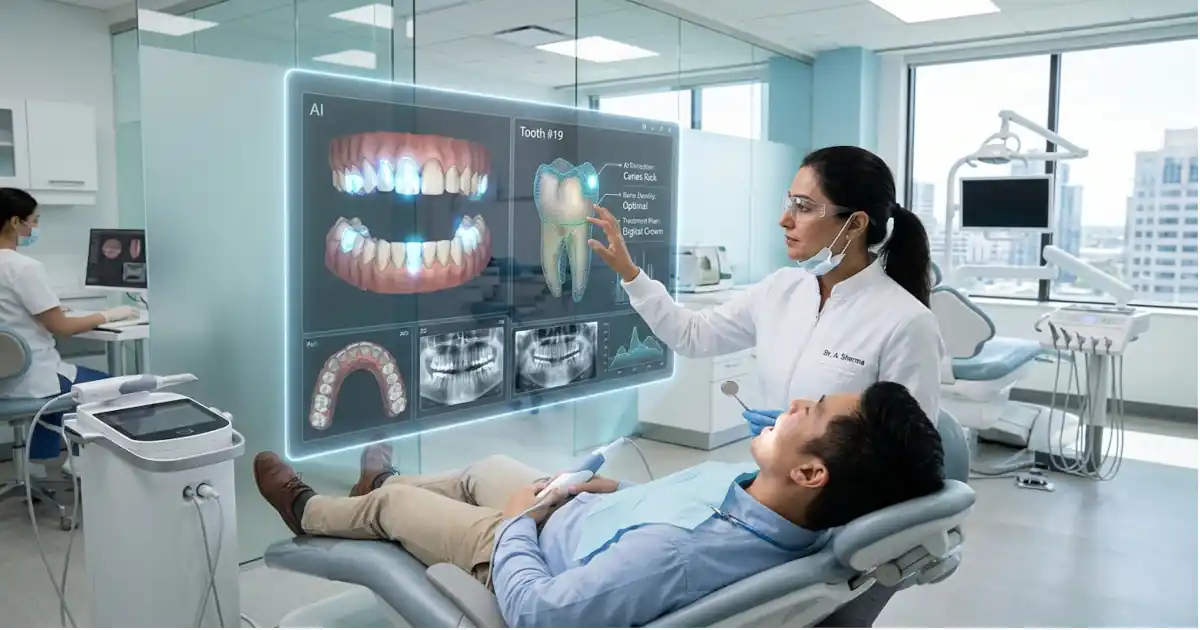
Dentistry is changing fast. Artificial intelligence now helps dentists find problems earlier, plan treatments faster, and explain results more clearly. Nerovet AI smart dentistry represents this shift toward precise, data-driven oral care. This guide explains how the technology works, what benefits it offers, and what patients should know.
What Is Smart Dentistry?
Smart dentistry combines traditional clinical skill with digital tools. Dentists use software, sensors, and imaging devices to gather detailed information about a patient’s mouth. Machine learning programs then analyze that information and highlight patterns. The dentist reviews the findings and makes the final decision.
This approach differs from older methods in one key way. Older methods rely mostly on the dentist’s eyes and memory. Smart methods add a second layer of analysis that never gets tired. The dentist still leads every treatment, but the software supports each step.
The Role of Artificial Intelligence
Artificial intelligence learns from thousands of past dental images. It studies X-rays, scans, and photographs to recognize healthy and unhealthy tissue. Over time, the system spots tiny differences that humans may miss. These differences often signal early decay, bone loss, or gum disease.
The software does not replace the dentist. It acts like a skilled assistant who flags areas of concern. The dentist then confirms each flag with a physical exam and clinical judgment.
Why Dental Clinics Are Adopting It
Dental clinics face rising patient demand and tight schedules. Staff members spend hours on charting, imaging, and paperwork. Smart tools reduce that workload and free time for patient care. Many clinics also want a clear, visual way to explain diagnoses. Nerovet AI smart dentistry targets exactly that need.
How Nerovet AI Smart Dentistry Works
Modern AI dental platforms follow a simple workflow. Each step builds on the one before it. Understanding the workflow helps patients feel more comfortable during a visit.
Step One: Digital Data Collection
The process begins with digital imaging. The dental team captures X-rays, intraoral photographs, and three-dimensional scans. These tools produce sharper images than traditional film. They also expose patients to less radiation in many cases.
The team uploads the images to the software immediately. No waiting for film development is necessary. The data becomes available within seconds.
Step Two: Automated Image Analysis
The software scans each image for visible concerns. It outlines cavities, measures bone levels, and marks worn enamel. It also compares today’s images with earlier records. This comparison shows how a condition changes over time.
The program presents its findings as color-coded overlays. Patients can see exactly where a problem sits. This visual feedback turns a vague warning into a clear picture.
Step Three: Clinical Review and Treatment Planning
The dentist examines the AI findings alongside the patient’s history. Medical conditions, habits, and symptoms all shape the final plan. The dentist accepts, adjusts, or rejects each suggestion. Human judgment always has the last word.
Next, the dentist builds a treatment plan. The software can simulate outcomes for fillings, crowns, aligners, or implants. Patients preview the result before any procedure begins. This preview builds trust and reduces anxiety.
Step Four: Ongoing Monitoring
Smart dentistry does not end when the patient leaves the chair. Digital records allow clinics to track changes across many visits. Alerts remind the team when a patient needs a follow-up. Consistent monitoring keeps small issues from becoming large ones.
Key Benefits for Patients
Patients gain real advantages from AI-supported care. Most benefits fall into four areas: accuracy, comfort, speed, and understanding. Each area improves the overall experience.
Earlier Detection of Dental Problems
Early detection stands as the biggest benefit. A small cavity costs less and hurts less than a deep one. AI tools can flag early enamel changes before symptoms appear. Gum disease also shows subtle signs that software can measure precisely.
Early treatment protects natural teeth. It also lowers the chance of emergency visits. Patients save money and avoid unnecessary pain.
Greater Diagnostic Accuracy
Human eyes vary from day to day. Fatigue, lighting, and workload all affect judgment. Software applies the same standards to every image. This consistency reduces missed findings and supports a second opinion within the practice.
Studies on dental imaging software often report strong agreement with expert reviewers. Results still depend on the product, the data, and the clinic. Patients should ask how their dentist validates each tool.
Faster and More Comfortable Visits
Digital workflows shorten appointment times. Scans replace messy impression trays for many procedures. Patients breathe easier without gagging on putty. Quick imaging also means fewer repeated shots.
Clinics can often deliver results during the same visit. Patients leave with a clear plan instead of a long wait.
Better Patient Education
People follow advice more often when they understand it. Visual reports help patients grasp why a treatment matters. A highlighted image explains more than a spoken warning. Patients feel involved rather than confused.
Better understanding leads to better habits at home. Patients brush more carefully when they see plaque patterns on screen. They also keep appointments more reliably.
Benefits for Dentists and Dental Teams
AI tools help the clinic as much as the patient. Dentists gain time, clarity, and confidence. Staff members gain smoother daily routines.
Reduced Administrative Burden
Many platforms automate charting and record keeping. The software drafts notes from imaging results and clinical entries. Staff members review and approve those notes. This process saves hours each week.
Automated reminders also cut missed appointments. Fewer empty chairs mean steadier revenue. The team can focus on care instead of calls.
Stronger Treatment Planning
Simulation tools let dentists test several options quickly. They can compare costs, timelines, and likely outcomes. Patients then choose with full information. Clear plans reduce second-guessing and treatment delays.
Challenges and Limitations to Consider
No technology is perfect. Patients and clinics should understand the limits of AI. Honest awareness leads to safer and smarter use.
Data Privacy and Security
Dental records contain sensitive health information. Clinics must protect that data with encryption and strict access rules. Patients should ask where the data is stored. They should also ask who can view it.
Reputable providers follow local privacy laws and industry standards. A clinic should explain its policies in plain language.
Cost and Access
New equipment costs money. Some clinics pass part of that cost to patients. Smaller practices may adopt the tools more slowly. Access can therefore vary by region and budget.
Over time, prices usually fall as technology spreads. Many patients also recover the cost through earlier, cheaper treatment.
The Need for Human Oversight
AI can make mistakes. Poor image quality, unusual anatomy, or limited training data can mislead the software. A trained dentist must verify every result. Patients should never accept an automated finding without professional review.
Questions to Ask Your Dentist
Informed patients make better choices. Before your next visit, consider a few simple questions. The answers reveal how a clinic uses technology.
- Which AI tools does the clinic use, and for what purpose?
- How does the dentist verify the software’s findings?
- How does the clinic protect and store digital records?
- Do the tools change the cost of my treatment?
- Can I see my images and the analysis myself?
A confident clinic answers these questions openly. Clear answers signal a practice that values transparency.
The Future of AI in Dental Care
The field keeps moving forward. Researchers are building systems that predict disease risk before damage begins. Some tools combine dental data with general health information. Others guide robotic instruments for more precise procedures.
Tele-dentistry will likely grow as well. Patients may share photos from home and receive AI-assisted screening. Dentists could then prioritize urgent cases faster. This model could expand care to remote and underserved communities.
Personalized prevention also looks promising. Software may soon recommend brushing routines based on a patient’s own risk pattern. Nerovet AI smart dentistry and similar platforms point toward this proactive future. Care will shift from repairing damage to preventing it.
Is AI Dentistry Right for You?
Most patients can benefit from AI-supported care. People with a history of cavities or gum disease may gain the most. Anxious patients often appreciate the clear visuals and gentler tools. Parents may also like how easily children understand a colorful screen.
Still, technology should never replace trust in your dentist. Choose a provider who combines modern tools with a caring approach. Ask questions, compare options, and expect honest answers. A good dentist uses AI to support judgment, not to avoid it.
Final Thoughts on Nerovet AI Smart Dentistry
Intelligent technology is reshaping dental care for the better. Early detection, accurate planning, and clear communication lead the way. Patients gain comfort and confidence, while clinics gain efficiency and consistency. Nerovet AI smart dentistry reflects a broader movement toward preventive, personalized treatment.
Remember that software supports the dentist and never replaces the dentist. Stay informed, ask thoughtful questions, and schedule regular visits. Your smile benefits most when skilled professionals and smart tools work together. Explore the options available in your area, and talk with your dental team about what fits your needs.
READ ALSO: How to Update EndBugFlow Software on PC: A Complete Step-by-Step Guide
[…] READ ALSO: Nerovet AI Smart Dentistry: How Intelligent Technology Is Changing Dental Care […]