
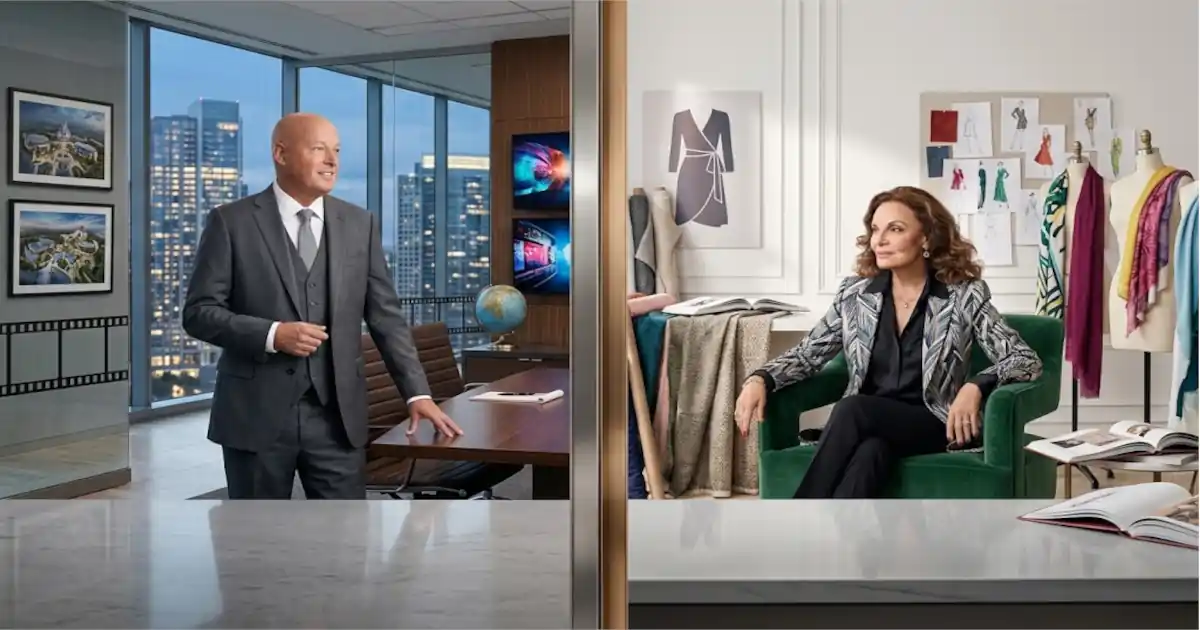
Few people connect theme parks with fashion runways. Yet great leadership lessons cross every industry. This article examines bob chapek and diane von furstenberg side by side. One executive led a global entertainment giant. The other designer built a fashion empire from a single dress. Their careers show how vision, timing, and public trust shape success. Readers will find practical takeaways for business, branding, and career growth. Each section below explores a different theme, from early careers to lasting legacies.
Who Is Bob Chapek?
Early Career at Disney
Bob Chapek joined The Walt Disney Company in 1993. He started in marketing for Disney’s consumer products division. He then moved into home entertainment, where he shaped distribution strategy. Chapek rose steadily through the ranks over nearly three decades. In 2015, he became chairman of Disney Parks, Experiences and Products. That division generated enormous revenue for the company. His team managed theme parks, cruise ships, and merchandise worldwide.
Time as Disney CEO
Chapek became Disney’s chief executive in February 2020. His timing proved brutal. The COVID-19 pandemic closed Disney’s parks within weeks. Revenue dropped sharply, and thousands of employees lost work. Chapek steered the company through that crisis. He also pushed Disney+ toward rapid subscriber growth. The streaming service passed 100 million subscribers during his tenure. Disney’s board removed him in November 2022, and Bob Iger returned as CEO.
Controversies That Defined His Tenure
Several public disputes shaped Chapek’s reputation. Actress Scarlett Johansson sued Disney in 2021 over the Black Widow release. The two sides settled the case. Employees also criticized his response to Florida’s Parental Rights in Education law. Critics said he reacted too slowly. Governor Ron DeSantis later clashed with Disney over the issue. These episodes strained trust inside and outside the company. Chapek’s story shows how communication can define a leader’s legacy.
Who Is Diane von Furstenberg?
From Brussels to Fashion Icon
Diane von Furstenberg entered the world as Diane Halfin in Brussels in 1946. Her mother survived the Auschwitz concentration camp. That history shaped her confidence and determination. She married Prince Egon von Furstenberg in 1969. The marriage gave her a famous name and a path into fashion. She moved to New York in the early 1970s. There she built her first collection.
The Wrap Dress Revolution
In 1974, she introduced the wrap dress. The jersey design flattered many body types. Women wore it to work and to dinner. It symbolized independence in a changing era. Newsweek put her on its cover in 1976. Sales soared, and her brand became a household name. The wrap dress remains her signature piece today. Museums and fashion historians still celebrate it.
Reinvention and Influence
Her business faced ups and downs. Her brand was revived in 1997 and found new success. She married media executive Barry Diller in 2001. She served as president of the Council of Fashion Designers of America from 2006 to 2019. In that role, she championed American designers. She also launched the DVF Awards to honor women leaders. She has published memoirs and mentored younger entrepreneurs.
How Bob Chapek and Diane von Furstenberg Compare
Different Paths to the Top
Chapek climbed a corporate ladder. He spent decades inside one organization. He mastered operations, logistics, and consumer products. Von Furstenberg took an entrepreneurial route. She founded her company and controlled her brand. One leader managed an inherited legacy. The other created a legacy from scratch. Both paths demand resilience, but they test different skills.
Shared Strengths
Both leaders understood consumer demand. Chapek focused on guest experiences and merchandise. Von Furstenberg focused on how women wanted to feel. Both recognized the power of a strong brand. Both also worked in industries driven by storytelling. Disney sells magic, and DVF sells confidence. Each product carries an emotional promise.
Contrasting Crises
Each leader faced major setbacks. Chapek confronted a global pandemic and public backlash. Von Furstenberg faced shifting trends and brand dilution. She responded by reclaiming her brand and her story. Chapek lost the confidence of his board. Her response built longevity, while his ended in an exit. The comparison highlights how ownership and narrative control matter.
Brand Management Styles
Chapek managed brands through systems and data. He optimized pricing, scheduling, and product placement. Von Furstenberg managed brands through instinct and personal presence. She appeared in campaigns and shaped every collection. Data helps companies scale, while personality builds loyalty. The best leaders blend both approaches. A company that ignores either side risks losing customers. Balance keeps growth sustainable and emotionally resonant.
Their Lasting Impact on Their Industries
Disney’s Streaming and Parks Strategy
Chapek reorganized Disney’s media divisions in 2020. The new structure placed distribution under one team. That change accelerated Disney+ growth. He also launched Disney Genie, a digital planning service for park guests. Critics disliked some paid features, such as Lightning Lane. Still, the parks business delivered strong profits after reopening. Fans debated the changes loudly. That debate shows how quickly customer sentiment can shift.
Fashion’s Female-Empowerment Legacy
Von Furstenberg shaped how fashion talks about women. She promoted the idea that clothing should empower the wearer. Her brand and foundation supported mentorship and philanthropic programs. She received the CFDA Lifetime Achievement Award in 2005. Her family foundation also helped fund New York’s High Line park. Her influence reaches far beyond hemlines.
Leadership Lessons From Two Different Worlds
Communicate Clearly and Quickly
Public trust depends on timely communication. Chapek’s critics argued that his responses came too late. Von Furstenberg tells her story directly through books, interviews, and social media. Leaders should speak first and speak honestly. Silence invites speculation. Clear messages protect brands, employees, and customers alike.
Protect Your Core Identity
Von Furstenberg never abandoned the wrap dress. She evolved around it. Disney’s core identity centers on family storytelling and magic. Leaders must guard that identity while adapting to new technology. Streaming, e-commerce, and social media all demand fresh strategies. Strong brands stay recognizable even as they change.
Build Relationships With Talent and Teams
Johansson’s dispute shows how creative partners can become adversaries. Von Furstenberg built loyal networks of designers, models, and executives. She mentors women through her foundation. Leaders who invest in people earn loyalty. That loyalty pays off during hard times. Respect for talent also protects a company’s reputation.
Embrace Reinvention
Von Furstenberg relaunched her brand after setbacks. She treated failure as a pause, not an ending. Chapek, by contrast, had limited time to adapt. Modern leaders need patience and speed together. Reinvention requires listening to customers and employees. It also requires courage.
Practical Takeaways for Modern Professionals
For Executives
Study how bob chapek and diane von furstenberg handled pressure. Executives can compare their own decisions against these two careers. Ask which choices built trust and which choices eroded it. Then adjust your communication plan accordingly. Use data, but also listen to frontline employees.
For Entrepreneurs
Founders can learn from von Furstenberg’s single-product focus. One great product can anchor an entire company. Test your idea, protect your name, and tell your own story. Corporate leaders can learn from Chapek’s experience with scale. Scale brings complexity, and complexity demands clear priorities. Entrepreneurs should plan for growth before it arrives.
For Marketers and Brand Builders
Marketers can study both brands to understand emotional positioning. Disney sells nostalgia, family connection, and wonder. DVF sells femininity, freedom, and self-assurance. Strong positioning makes pricing power possible. Consistent storytelling builds recognition across decades. Brands that keep their promise earn repeat customers.
Frequently Asked Questions
Did Bob Chapek and Diane von Furstenberg Work Together?
No public record shows a formal partnership between them. This article compares them for educational purposes only. Readers should treat the comparison as analysis, not a claim of collaboration. Each leader succeeded or struggled within a separate industry.
Why Compare an Entertainment CEO With a Fashion Designer?
Leadership principles apply across sectors. Both figures managed famous brands under intense public scrutiny. Their contrasting outcomes offer rich lessons. Comparing different industries often reveals patterns that single-industry studies miss. Readers gain fresh perspective by stepping outside familiar territory.
What Is the Biggest Lesson?
Control your narrative. People who tell their own stories shape how others remember them. Von Furstenberg did that well for five decades. Chapek’s tenure shows the cost of losing that control. Every leader can apply this lesson today.
Conclusion
This article explored bob chapek and diane von furstenberg through careers, crises, and lessons. One executive led Disney through a historic pandemic. The other designer turned a simple dress into a lasting cultural symbol. Their stories show that leadership depends on vision, communication, and adaptability. Readers can apply those lessons to any career. Study both leaders, learn from their choices, and build your own legacy with intention. Use the lessons of bob chapek and diane von furstenberg to sharpen your own leadership.
READ ALSO: Parker McCollum Height: How Tall Is the Country Star?
[…] READ ALSO: Bob Chapek and Diane von Furstenberg: Leadership Lessons From Entertainment and Fashion […]